

Upgrading the Industrial Workflow
AMMEGA focuses on optimizing belt and belt driven systems
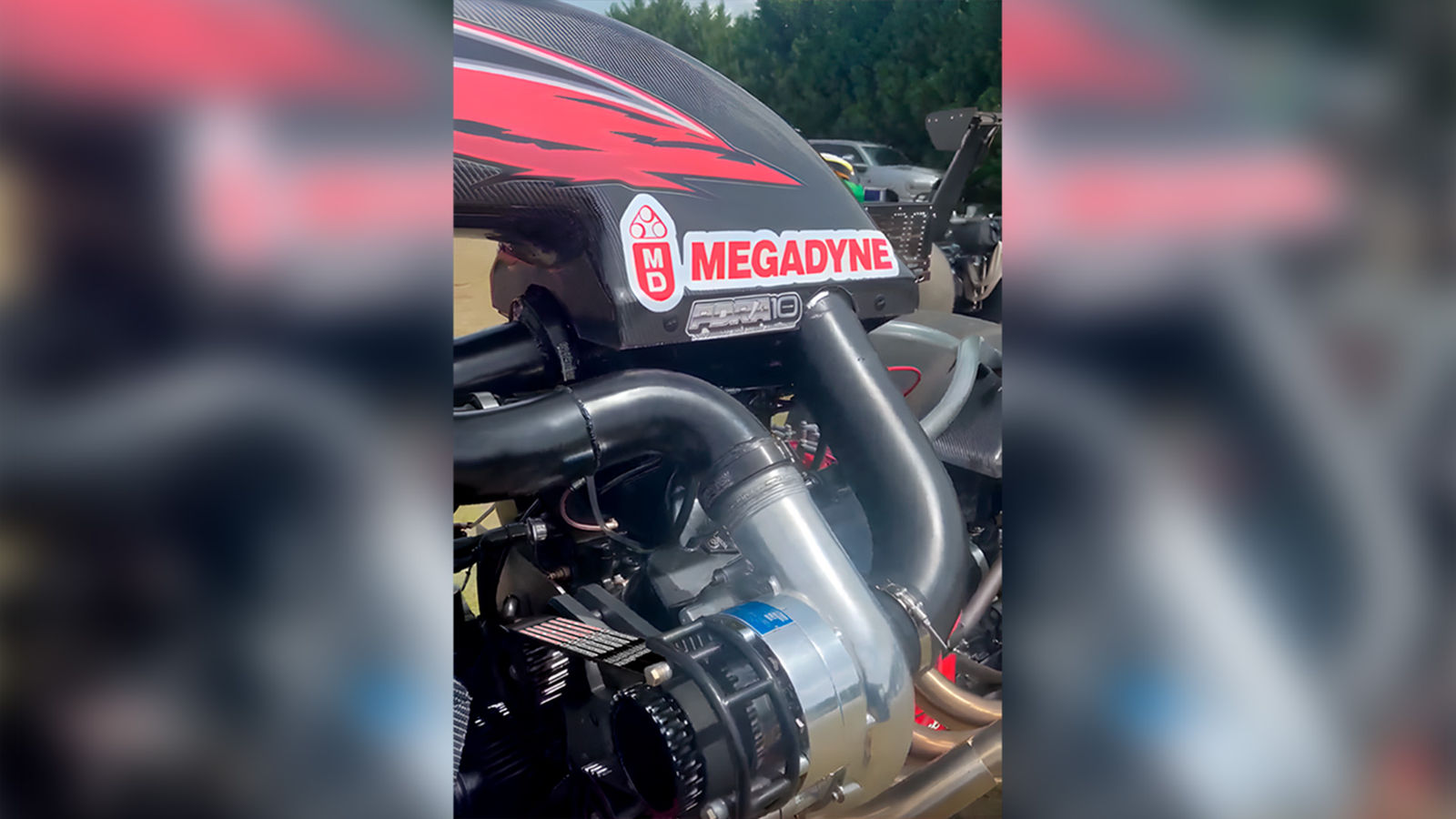
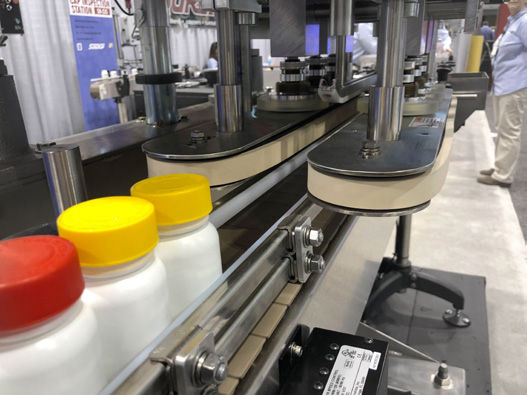
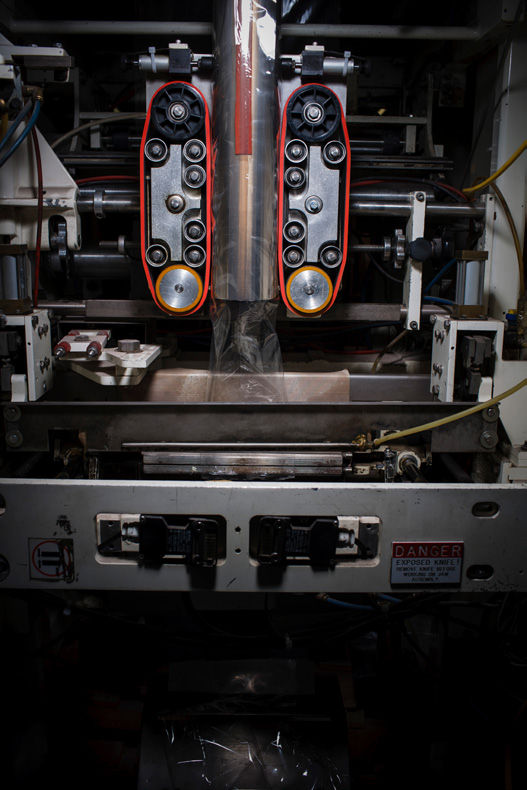
From polyurethane timing belts to high-performance power transmission solutions, Megadyne powers industries with innovative belting technology. (All images: AMMEGA)
The belt and chain market is heavily driven by intralogistics, automation and infrastructure growth in 2026. Manufacturers are looking at areas like electrification, sustainability and supply chain resilience to meet stricter performance expectations. PTE recently sat down with Kyo Oh, vice president and general manager at AMMEGA Group Power Transmission and Fluid Power Solutions, to discuss the U.S. belt market from a power transmission perspective.
Looking at the U.S. market today, Oh said the goal is to leverage the knowledge gained from R&D and manage the AMMEGA portfolio of products to determine what their U.S. customers need in terms of product specification.
“Belt doesn’t work by itself. It requires an understanding of the motors, pulleys, and sprockets along with the drives and controllers. Then there’s the regulatory requirements that need to be met. We’re working with OEMs as well as distributors to hopefully exceed the expectations of our U.S. customers today by focusing on industrial workflow automation,” Oh said.
Prior to the energy shortages and the tariff situation, AMMEGA had been focused on bringing a manufacturing renaissance back to the United States.
“We’re looking at how we can distribute products and services in the quickest manner and this is really driven by Amazon's fulfillment center model. Do we have the right products at the right place at the right time? Supply chain management is so important today and bringing production closer to our customers from a geography point of view is pivotal for future success,” Oh said.







 Power Transmission Engineering is THE magazine of mechanical components. PTE is written for engineers and maintenance pros who specify, purchase and use gears, gear drives, bearings, motors, couplings, clutches, lubrication, seals and all other types of mechanical power transmission and motion control components.