Four Trends Driving the Adoption of Automated and Smart Manufacturing Workflows
Aventics XV valve systems can be configured in more than 100 million ways, enabling machine designers to precisely tailor pneumatic automation to their applications. (All images: Emerson)
Automation and smart technologies are fundamentally changing what manufacturing environments look like — and more importantly, what they can achieve. Rewriting the rules of flexibility and efficiency, automated and digitalized workflows make it possible to produce more complex products in less time with less waste.
According to a recent survey of 600 manufacturing executives by Deloitte, 80 percent plan to invest at least a fifth of their improvement budgets in smart manufacturing initiatives. (deloitte.com). Most respondents believe smart manufacturing initiatives will drive market competition and change the way products are made.
Here are four trends driving the adoption of automated and digitalized workflows and examples for how transformed workflows address these challenges.
Reshoring initiatives and skilled labor shortages
For the last few years, reshoring has been near an all-time high in the United States. By bringing production closer to end markets, reshoring is a viable strategy to build more resilient and sustainable supply chains in the face of economic pressures and instability. However, for many companies, this means operating in higher-cost regions where skilled workers may be in short supply.
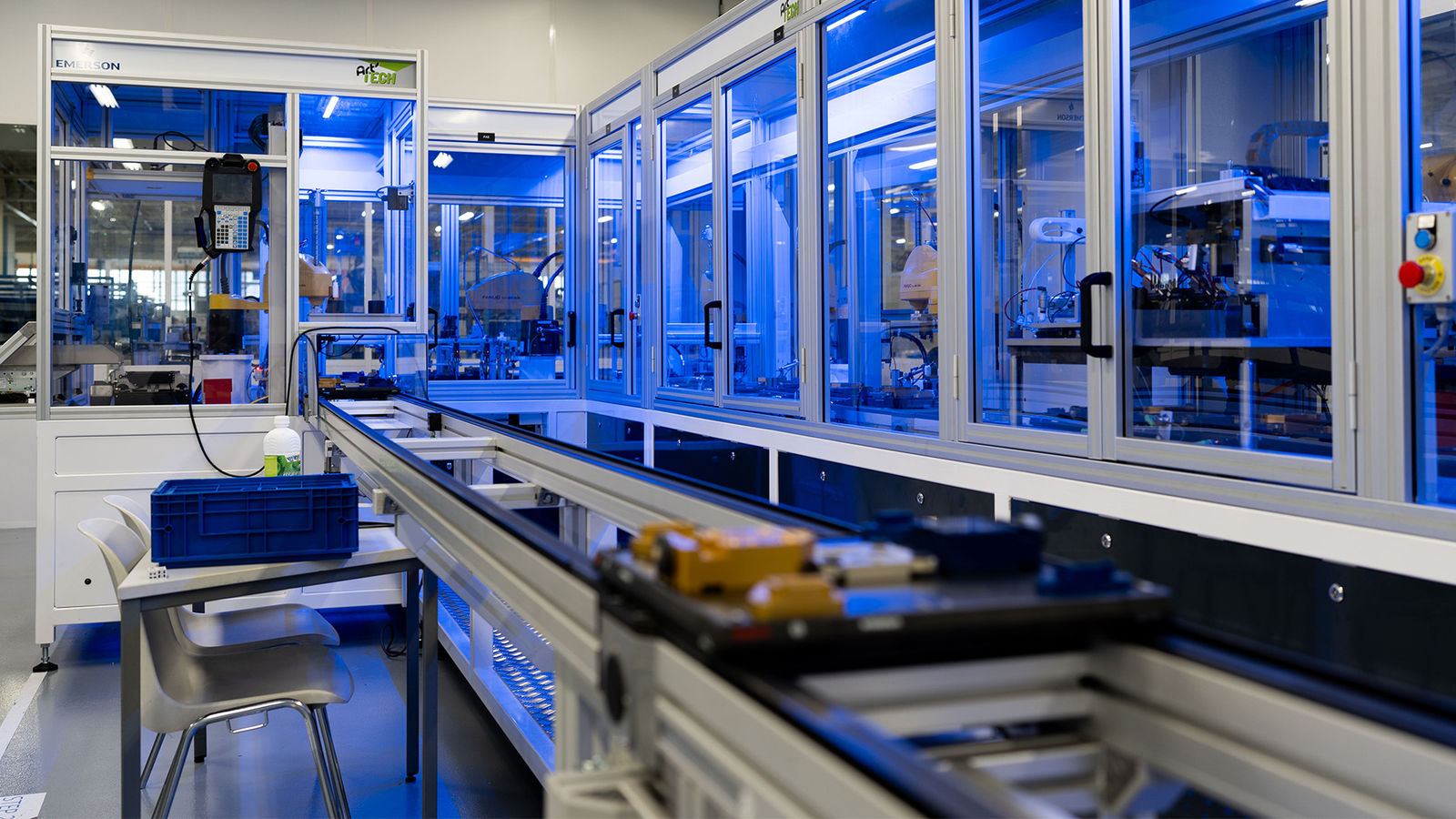
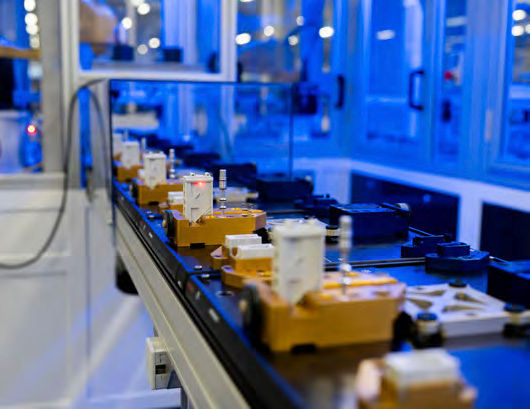
The Emerson Bonneville manufacturing facility implements automated configuration, simulation and machining to deliver fully customized Aventics XV valve systems in just five days.
Transforming manufacturing workflows through automation and digital tools can simplify, streamline or replace manual tasks, freeing up skilled personnel for more valuable responsibilities. This can include online product configuration tools or software that converts product configurations into machining data, which simplify and streamline engineering and programming tasks.
OEM online configuration tools make it faster and easier for engineers to configure components that specifically meet application requirements, streamlining engineering tasks. Additionally, precisely specifying components can minimize time required for assembly.
Speed and quality expectations
Today, operational efficiency is more than a cost lever; it’s a core competitive advantage. The ability to consistently maintain rapid throughput without sacrificing quality or performance is essential to earning customer trust and competing in the modern marketplace.
Automation and digital transformation of workflows can often perform previously manual tasks in a fraction of the time with a level of accuracy that maintains or even improves product quality. These savings significantly accelerate production timelines and increase throughput to better meet aggressive schedules.
For instance, software that automatically generates CAD models of product components, machining instructions and simulation files to validate tool paths can prevent errors and move designs into production much sooner.
Shifting demands and increasing customization
Shorter product cycles and greater expectations for customization all create significant operational challenges. In this environment, speed and flexibility are critical for long-term competitiveness.
Automated, smart workflows can often handle both low-volume, high-mix orders and high-volume production to ensure on-time product delivery. Deploying scalable technology and processes makes it possible to use the same infrastructure without adding labor or sacrificing speed.
Automated Workflow Delivers Fully Configured Valve Systems Within Five Days
The challenge: With about 100 million possible configurations, Aventics Series XV pneumatic valves from Emerson are designed for extreme flexibility. Engineers can specify valve size, electronics, fieldbus protocol, pressure regulators, shut-off valves, flow modules and pressure-supply modules to match their exact application, making each order unique.
To meet aggressive lead-time commitments, the Emerson Bonneville manufacturing facility in the French Alps had to find a way to produce the configured, fit-for-purpose valves on an industrial scale.
The solution:The Emerson manufacturing team developed a fully automated workflow for producing the Aventics XV valve platform that converts product configurations into production-ready components.
Customers use an intuitive online configuration tool to precisely specify their valve system per application requirements. Once the system receives the order, software automatically generates 3D CAD models of the valve base and modules, machining instructions for cutting and drilling and simulation files to validate tool paths and detect potential collisions. After validation, the data is sent directly to CNC machines for production of the aluminum valve bases and components.
[advertisement]
The outcome:By implementing automation and smart manufacturing initiatives, the Emerson Bonneville facility can deliver Aventics XV valve orders in just five days or less. The Emerson team eliminates 2-4 hours of manual work per order by automating the programming and setup process for each Aventics XV configuration, a significant reduction in engineering and setup time. Customer configurations are converted into production-ready machine programs within 10 minutes rather than hours, while automated simulation and validation processes minimize errors, scrap and rework.
Most importantly, this successful framework gives machine builders accelerated access to reliable, high-quality, fit-for-purpose valve systems, getting their products to market faster, too.
Aventics XV valve systems can be configured in more than 100 million ways, enabling machine designers to precisely tailor pneumatic automation to their applications.
Sustainability and regulatory compliance
With corporate sustainability commitments and evolving environmental regulations, manufacturers and the upstream OEMs that support them must find ways to reduce overall energy use, minimize waste and optimize resource consumption, all while remaining efficient and competitive.
Smart devices and flow sensors continuously monitor compressed air consumption, pressure stability and system performance in manufacturing equipment. Condition monitoring and predictive maintenance allows operators to identify leaks, inefficiencies or wear early — improving both uptime and energy efficiency. Real-time monitoring also gives operators live visibility into equipment status, throughput and resource utilization, enabling rapid response when conditions change.
Achieving more through automation and smart manufacturing
To meet customer demand and remain competitive in today’s market, modern manufacturers must set tighter production schedules to produce more complex products. At the same time, they must meet corporate sustainability targets and evolving regulations while facing labor shortages and skills gaps. Automation and digitalized workflows provide both speed and flexibility manufacturers need to simultaneously meet these challenges and their business goals.