
[advertisement]
Feature Articles

August 14, 2026


Matthew Jaster


Feature Articles

Maximizing Machine Longevity

FST provides three advancements in lubrication and seal technology

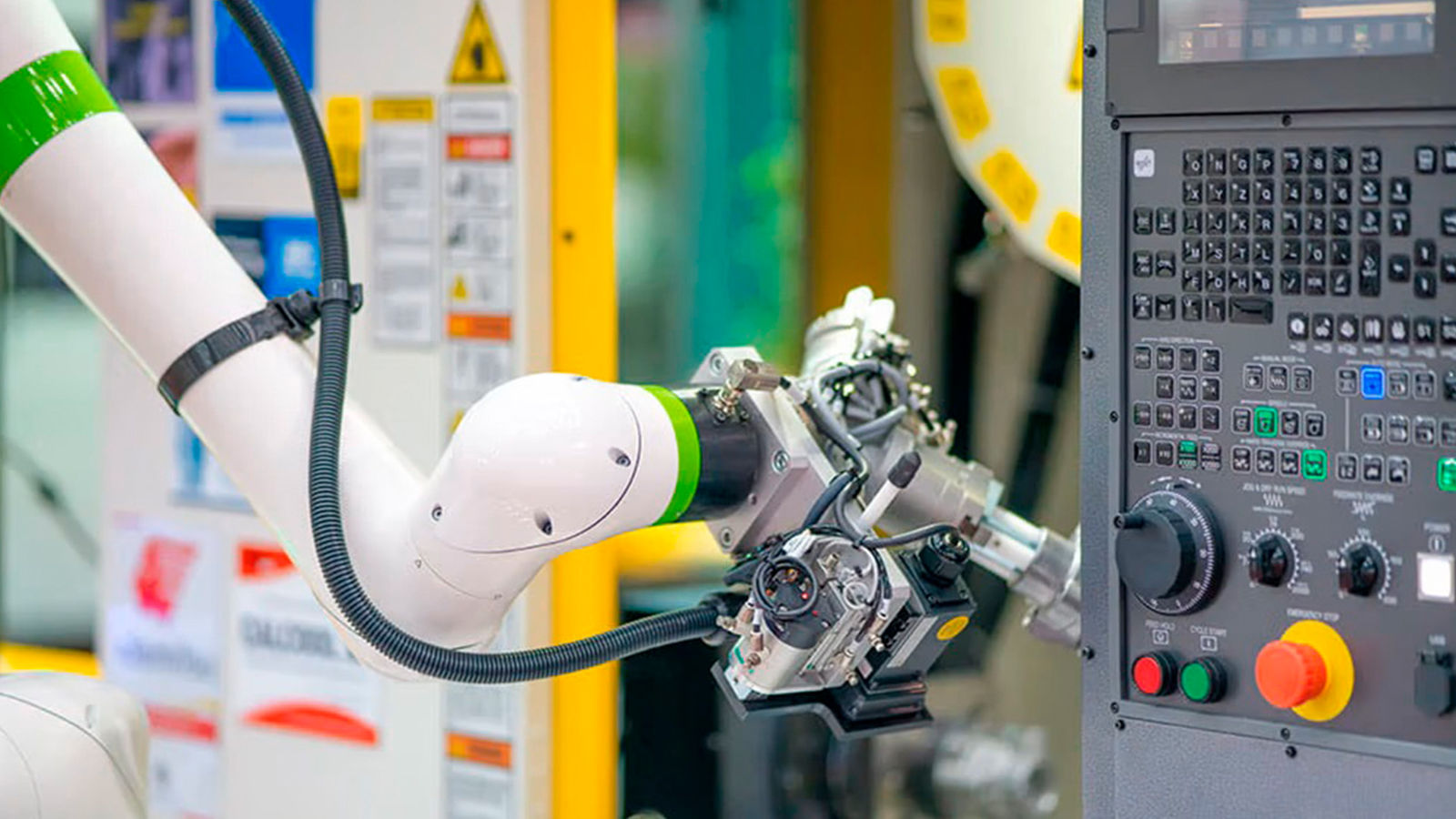
Thanks to the IP seals, cobots are optimally protected against harmful environmental influences such as dust and water ingress. (All Images: FST)

Freudenberg Sealing Technologies (FST) continues to expand its seal and lubrication technology platform by providing a range of solutions addressing critical issues such as friction, performance, power and material compatibility. The following article examines three recent additions to the company’s broad range of system solutions.

Ingress Protection Seals for Robots Highlight Automate 2026

The Automate Show in Chicago had its fair share of 6-axis, SCARA and Delta robots showing off how robotic technology is changing the industrial sector by providing solutions for physically demanding and monotonous tasks on the shop floor. These technologies need customized sealing solutions that offer long service life and reliability.

Collaborative robots, for example, are being used in difficult industrial environments or outdoors where water ingress can take place. Outdoor use—in particular—is a trend that will continue in the future.

FST has developed Ingress Protection Seals for Robots (IPSR) to ensure that AGVs, collaborative robots and humanoid robots’ function reliably under extreme conditions. These seals for demanding robotic applications offer excellent protection against harmful environmental influences with low friction. High-quality, wear-resistant materials and the special surface design ensure a long service life even under poor lubrication conditions.

The challenges in the development of ingress protection (IP) seals for robot arms are diverse: robot arms consist of numerous joints that enable movements in different directions. Within these joints, there is only a very small installation space for the seal, which must be able to compensate for the tangential and axial displacements that occur there. A classic O-ring cannot do this. The sealing lip of the IPSR is designed in such a way that it can optimally adapt to these movements.

Share and save:


This article appeared in the August 2026 issue.


Read PDF

[advertisement]

Thanks to the IP seals, cobots are optimally protected against harmful environmental influences such as dust and water ingress and depending on the installation space, surfaces, and tolerances, higher protection classes are possible.

Cobots have become a fundamental aspect of modern industry, marking a new era in industrial automation. Unlike other robot types, they can operate near humans without posing risks. Advanced sensor technology and sophisticated algorithms enable them to detect human presence, ensuring a safe working environment.

Due to their high flexibility, these machine helpers play a key role in streamlining automation tasks across diverse industries, ranging from automotive production to small-batch manufacturing. With quick setup and intuitive controls, they also pave the way for automated production in small and medium-sized enterprises (SMEs).

Cobots are widely used across industries due to their flexibility, ease of integration, and safe human interaction. To ensure safe and reliable operation across indoor and outdoor environments, advanced sealing solutions play a critical role.

The high flexibility of cobots, not only in adapting to changing tasks but especially in diverse working environments, places stringent demands on the high-performance seals for articulated-arm robots. To guarantee operational reliability and long-term durability, it is crucial to protect the joints from dust, splash water, and other contaminants. Seals play a pivotal role in this context. FST’s high-performance sealing solutions not only prevent leaks and potential failures but also enhance the efficiency of robotics applications by ensuring a long service life.

Lubrication Formula Targets Static Seals Including O-Rings

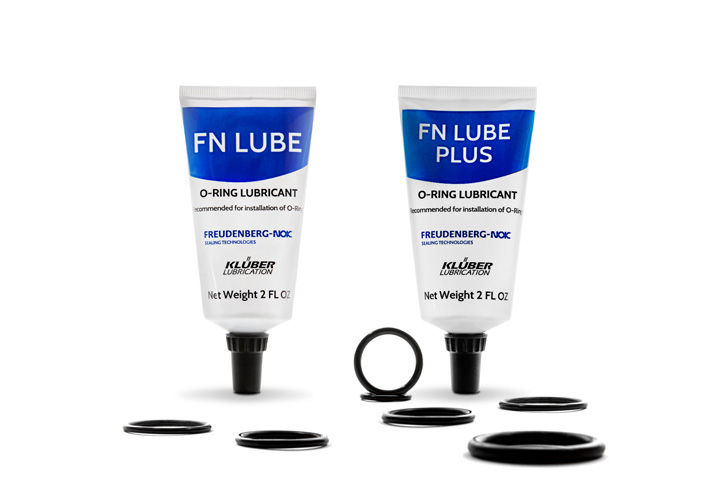
Freudenberg-NOK Sealing Technologies has also introduced FN Lube and FN Lube Plus, two purpose-designed lubricants formulated with the support of Klueber Lubrication. Klueber Lubrication is a full subsidiary of Freudenberg Chemical Specialties and has been part of the Freudenberg Group since 1966.

FN Lube and FN Lube Plus were developed specifically for static seals, especially O-rings, and were validated through laboratory testing.

FN Lube and FN Lube Plus were developed specifically for static seals, especially O-rings, and were validated through laboratory testing to ensure material compatibility, reduce installation friction and minimize impact on elastomer properties.

The development of FN Lube and FN Lube Plus reflects a focus on ensuring consistency and reliability during seal installation. Klueber Lubrication’s formulation expertise supports compatibility between lubricants and elastomer materials, helping to minimize installation risk and support stable sealing performance across a wide range of static sealing applications.

Designed for use with various elastomer types, FN Lube and FN Lube Plus demonstrated strong retention of tensile strength and elongation during internal testing. These results indicate that both lubricants help limit changes to material properties, reduce installation risks and support stable sealing performance over time. FN Lube and FN Lube Plus are available exclusively through Freudenberg-NOK Sealing Technologies’ North American distributor network and are fully integrated into the company’s digital catalog and PartnerHUB platform.

“Customers depend on us for static sealing solutions that perform reliably,” said Paul Czajkowski, regional sales director, Freudenberg-NOK Sealing Technologies. “By combining our sealing expertise with Klueber Lubrication’s lubricant formulation knowledge, FN Lube and FN Lube Plus offer a practical, application-focused option that helps protect O-rings during installation and supports long-term material stability.”

[advertisement]

“As part of Freudenberg’s culture of Innovating Together, Klueber Lubrication was pleased to contribute its formulation expertise to help bring new O-ring and seal assembly lubricants to the market,” said Steve Tompkins, business development manager, global industry team, Klueber Lubrication Components. “After reviewing the requirements, our engineers and R&D chemists quickly identified the appropriate chemistries to ensure compatibility with the selected elastomers and deliver reliable assembly performance. Helping OEM partners optimize lubrication solutions is at the core of what we do, and we look forward to supporting Freudenberg-NOK Sealing Technologies as they introduce FN Lube and FN Lube Plus to the market.”

The introduction of FN Lube and FN Lube Plus reflects Freudenberg-NOK Sealing Technologies’ approach to providing system-level sealing solutions. The lubricants support the company’s holistic sealing system philosophy by complementing sealing materials with lubrication expertise from within the Freudenberg Group.

FST Develops Sealing System for Vehicle Air-Conditioning Compressors

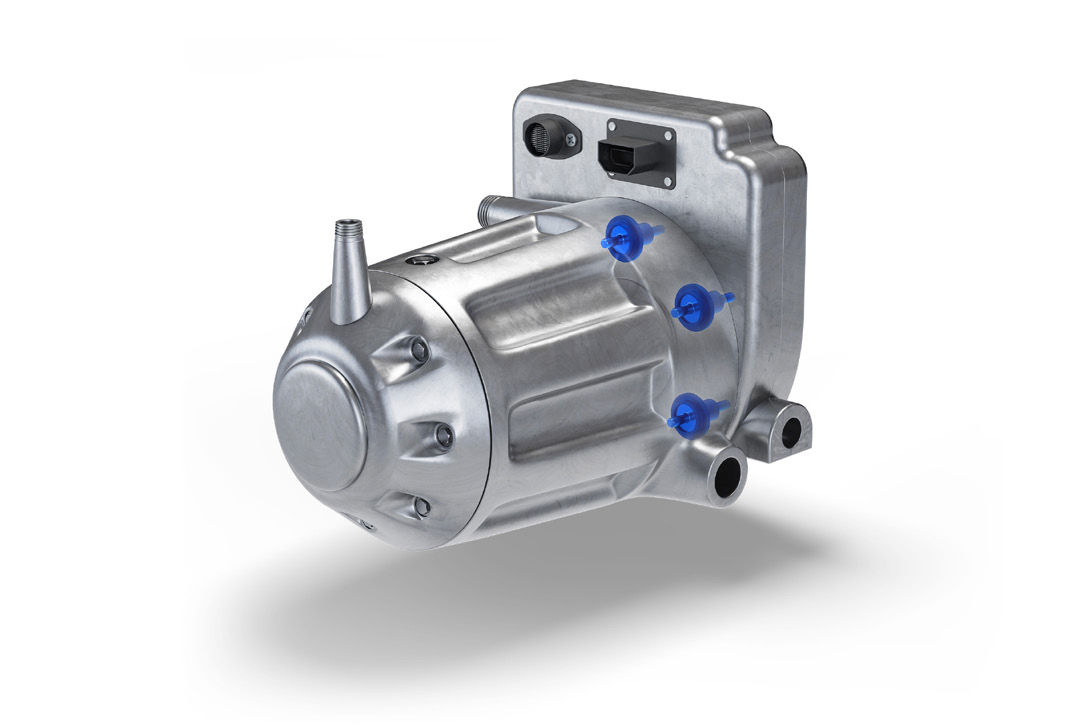
FST has recently developed a new sealing system for busbar sealing in vehicle air-conditioning compressors. This elastomer-based solution withstands test pressures of over 100 bar in leak tests and offers a cost-efficient alternative to conventional glass seals. Designed for CO₂ compressors (R744), it also works well with other refrigerants.

One of the key tasks in this environment is to reliably seal electrical feedthroughs—busbars or pins—in the compressor housing. The tiny CO₂ molecules can enter the elastomer material through permeation. In the event of a rapid pressure, the trapped gas molecules can then expand suddenly and destroy the seal from the inside out—a phenomenon known as explosive decompression. Furthermore, the seals must meet the strictest mechanical requirements.

FST has specifically developed materials for use in CO2 compressors that resist explosive decompression and offer high media resistance to conventional refrigerants.

FST has the answer to these challenges: a new sealing system that uses a wide range of materials. With this solution, the company draws on its deep materials expertise: It specifically developed materials for use in CO₂ compressors that resist explosive decompression and offer high media resistance to conventional refrigerants. This also involves using elastomer variants that offer a high comparative tracking index (CTI), thus reliably preventing creep currents from arcing at the busbar feedthrough.

The sealing contour was created with an integrated development approach that precisely coordinates manufacturability, component design and functional safety. FST masters this balancing act across the entire value chain: from the development and processing of challenging materials to the design of the suitable seal construction. In leak tests, the sealing system reliably withstood test pressures of more than 100 bar.

“With this change in refrigerants, manufacturers of air-conditioning compressors are facing entirely new sealing requirements. We offer them not just a technical solution to this challenge, but a true development partnership—from the material selection to a sealing contour that is ready for series production,” says Christian Jaschke, product manager at FST.

Compared with the glass seals that have frequently been used for this purpose, the new solution offers several advantages: The cost per sealed busbar/pin can be reduced by up to 30 percent, depending on the specific application. As there are typically three busbars per compressor, this creates significant potential savings. The compact design also helps optimize the installation space. This is a decisive factor in the densely packed compressor environment.

As a development partner, FST customizes the material, sealing contour and geometry to meet the requirements of the compressor manufacturer—offering high availability and short development cycles. The basis for this is a broad materials portfolio that covers a temperature range from –40 °C to more than 200 °C and offers high media resistance to a variety of refrigerants.

FST is currently working on concrete development projects with several vehicle compressor manufacturers. The first prototypes have already been validated. The technology is not limited to CO₂ refrigerant compressors. It can also be transferred to other high-pressure applications with different media—an advantage acquired during the intensive seal development for the particularly demanding refrigerant R744.

fst.com

[advertisement]

×

Like What You see?

Power Transmission Engineering magazinePower Transmission Engineering is THE magazine of mechanical components. PTE is written for engineers and maintenance pros who specify, purchase and use gears, gear drives, bearings, motors, couplings, clutches, lubrication, seals and all other types of mechanical power transmission and motion control components.

E-mail

Choose at least one from the options below:

 Power Transmission Engineering magazine, published 8 times per year (print or digital).

 Power Transmission Engineering e-mail newsletter, published weekly.

 Special Offers and promotions via e-mail from Power Transmission Engineering's advertisers and partners.

*Unsubscribe any time.
Full details in our privacy policy
Already a subscriber? Log in