



Norms and Standards
Norman Normal is on the Looney Tunes Golden Collection, Volume 6, and on YouTube. It is worth six minutes of your time.
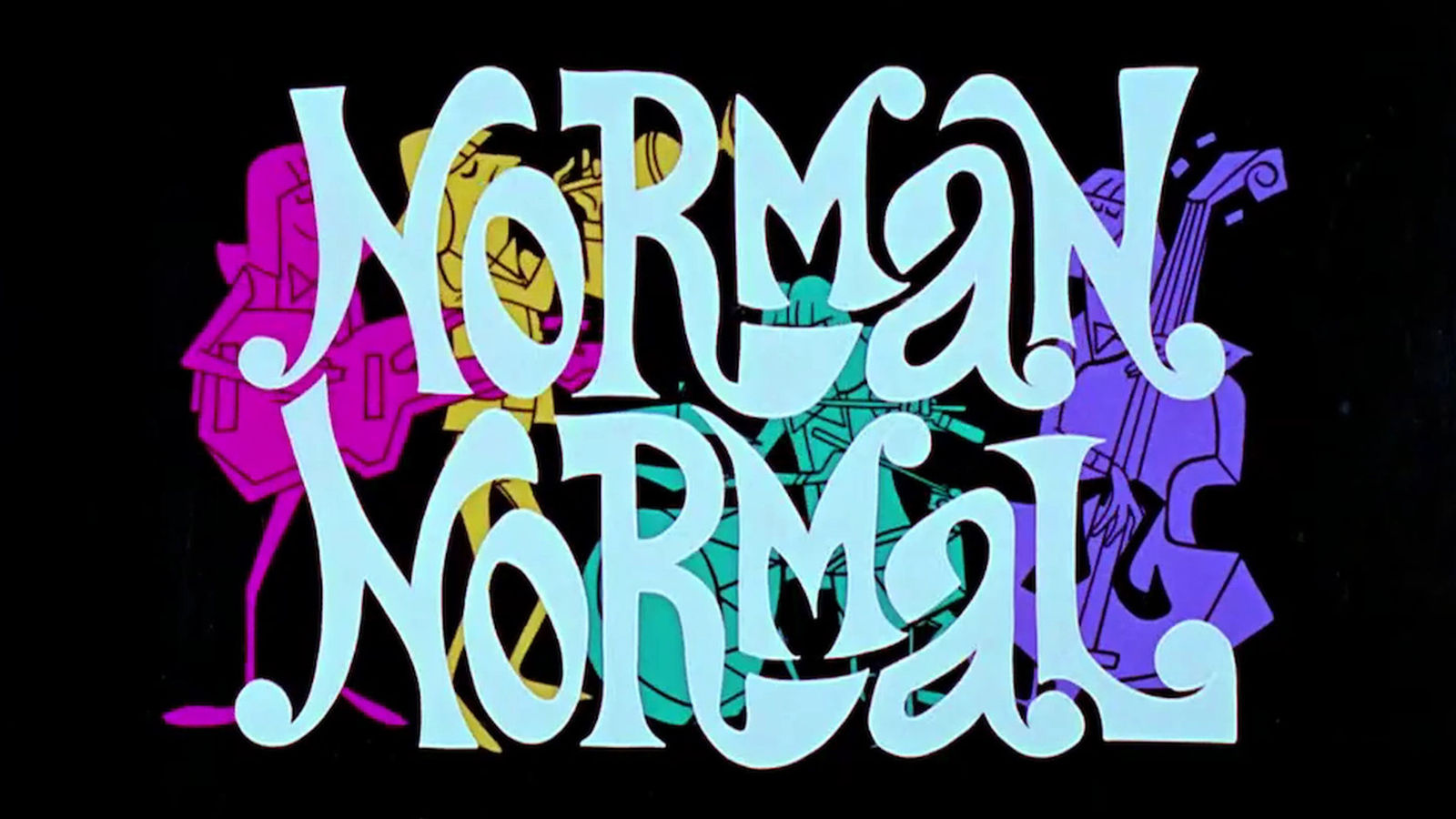
It is God’s own private mystery how the algorithms work, but somehow an old Warner Bros. cartoon titled Norman Normal entered my feed this week. Released in February 1968, it runs six minutes and is about a ball-bearing salesman caught in an ethical conundrum.
Noel Paul Stookey, the Paul in Peter, Paul and Mary, recorded the song “Norman Normal” in 1966. He and Paul Dixon wrote the story and share the voice credit, with Stookey as Norman. Alex Lovy directed. The studio’s signature anvil-and-dynamite grammar is altogether absent.
The song’s refrain is “He looks a lot like you.” Norman tells us up front that the cartoon is about what goes on inside his head, a hall filled with the doors of his consciousness. Behind one, his boss wants a contract signed by a client with a weakness for liquor. Norman is to get him “real juiced up” and slide the contract under his nose before he passes out. Norman says it isn’t right. The boss keeps turning into people from Norman’s past: a kid daring him to steal Tommy’s glove, a voice calling him chicken, then the boss again, doubting he is “mature enough to accept executive responsibility.” Norman caves. Alone, he rehearses: “Either we’ve got a good ball bearing, or we haven’t. You don’t buy favors with alcohol.”
Behind the next door, he seeks out his father for advice and gets his ghost. The old man drifts around the room reciting his own life, the 10-mile walk to school, the Depression, the two cars, while Norman asks the real question: “Something’s not right or wrong just because it’s convenient today, is it?” They talk past each other. The father is as unreliable as the boss; his only wisdom on offer is, “Don’t make waves, Norman. Fit in.” Behind yet another door, at a party, Norman declines to listen to inappropriate jokes and orders a ginger ale, and is mocked for both. It ends with him apologizing to us. “It’s just that there are so many doors in here.”
Why a bearing salesman? Partly because a bearing is small, hidden inside whatever it makes work, and unthought of until it fails. None is ever shown. But there is a sharper reason. A bearing is governed by standards. Its tolerances, load ratings, and grades are written down and can be measured, and it either meets them or it doesn’t. The people around Norman live by norms, which shift with whoever is in the room. “I know what’s right and wrong,” he tells his father, “but everybody seems to have their own kind.” Remember, his answer was a standards man’s answer: “Either we’ve got a good ball bearing, or we haven’t.”