

[advertisement]
Feature Articles

December 4, 2026


Matthew Jaster


Feature Articles

Less Is More

Ruland upgrades critical medical application through custom coupling design

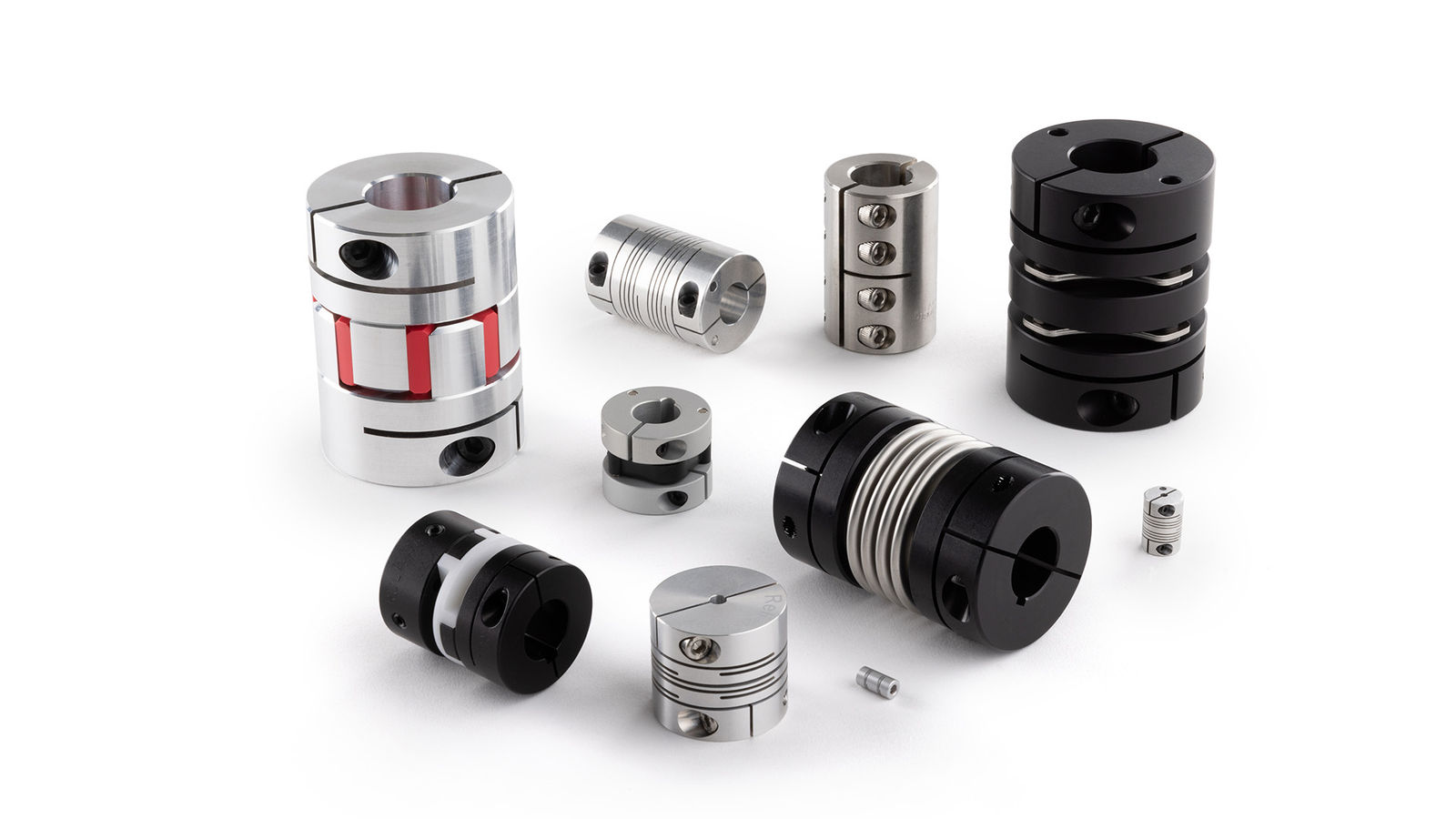
Ruland offers a complete range of servo couplings to match coupling performance to application requirements. (Image: Ruland)

When a major manufacturer of dialysis equipment began developing the next generation of one of its products, cost reduction became a key objective. The existing design had proven itself in the field, but the company believed there were opportunities to lower costs without sacrificing the reliability required in a critical medical application.

One area identified for review was a custom coupling used in a pump-and-valve assembly. The coupling had originally been designed in-house and was manufactured by a machine shop. While it performed well, it was expensive to produce and included features that exceeded the application’s actual requirements.

To identify potential savings, the OEM engaged an engineering design firm that had previously worked with Ruland. The goal was to find a coupling that could deliver the required performance at the lowest overall cost.

The original coupling functioned similarly to an oldham coupling but was built from bronze with a metallic center element and custom dimensions. Because it was produced entirely as a custom-machined component, the OEM was paying for a specialized design without benefiting from the economies of scale available from a dedicated coupling manufacturer.

“This illustrates why it is important to work with a standards manufacturer from the beginning,” said Chris Gumas, director of customer experience at Ruland. “When a company designs something themselves, they often over-design and over-build it. Manufacturers can really offer value in helping guide them to the cheapest option up front, so they do not spend additional engineering resources redesigning the product later.”

Share and save:


This article appeared in the December 2026 issue.


Read PDF

[advertisement]

The application itself was demanding. The coupling operates inside dialysis equipment used in hospitals or homes, connecting components within a pump-and-valve system that controls fluid movement during treatment.

Dialysis equipment for the medical industry.
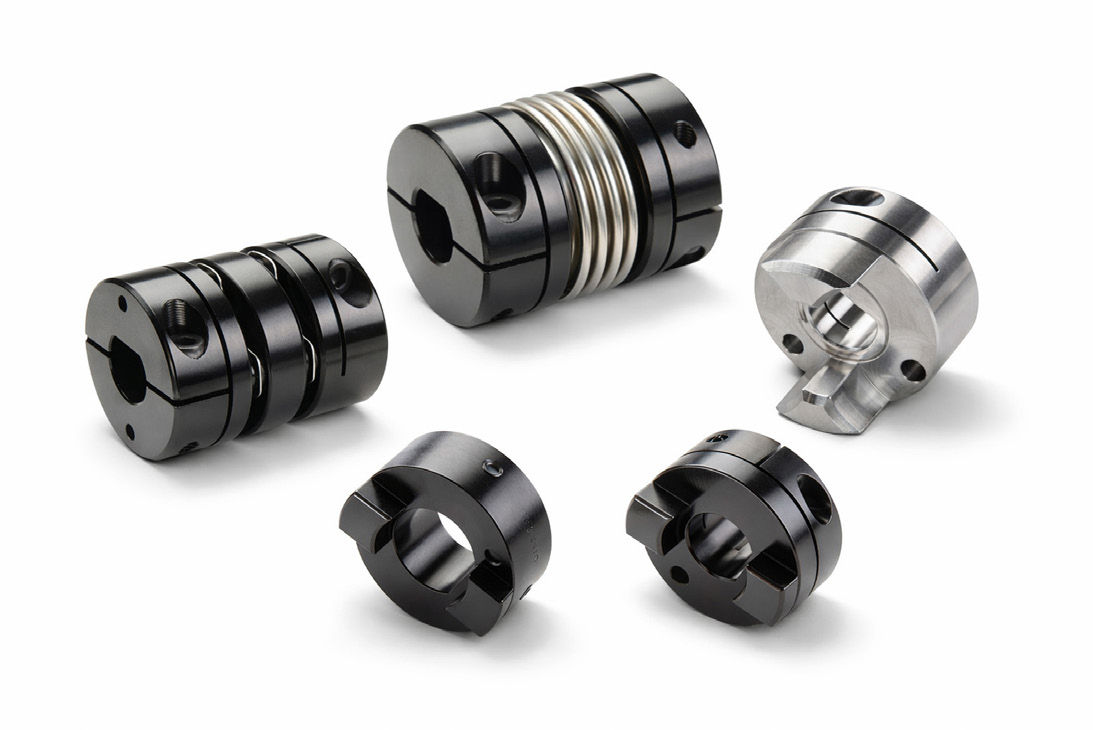
 Ruland D-bore couplings prevent slipping by engaging directly with D-shafting in precision motion control applications. (Image: Ruland)
Ruland D-bore couplings prevent slipping by engaging directly with D-shafting in precision motion control applications. (Image: Ruland)
 

Couplings have crevices, threads, and seals where biofilm can form and survive disinfection. Water and dialysate must meet strict microbiological limits for bacteria and endotoxins. Contaminated fittings in the water or dialysate path can lead to pyrogenic reactions, which cause fever and chills during treatment, and they contribute to chronic inflammation. The design of these fittings matters for disinfection. Smooth surfaces, few dead spaces and compatibility with heat and chemical disinfectants all affect how well they can be cleaned. Any fitting where fluid can sit without flowing is a particular concern.

“When a company designs something themselves, they often over-design and over-build it. Manufacturers can really offer value in helping guide them to the cheapest option up front, so they do not spend additional engineering resources redesigning the product later.”

Additionally, home hemodialysis and nocturnal dialysis make reliable couplings even more important. During these treatments a patient may be asleep or alone, without a nurse watching the lines. This has pushed the development of locking connectors, disconnection and leak sensors, and simpler, error-resistant connection designs.
In short, couplings in dialysis are where mechanical reliability, infection control and human error all meet. That is why they get so much attention in device design, clinical protocols and maintenance programs.

Reliability is essential, and the coupling for this application had to satisfy two key requirements: zero-backlash for accurate valve positioning and a positive mechanical connection that would not slip.

The OEM used D-shaped shafts on both sides of the coupling to prevent slippage. While the shaft dimensions were non-standard, the design firm determined that several commercially available coupling styles could meet the performance requirements.

After evaluating multiple options, including bellows and jaw couplings, the team selected an oldham coupling. It provided the required zero-backlash performance while offering the most cost-effective solution for the relatively low-speed, low-torque application.

Ruland modified a standard oldham coupling with custom D-bores to match the existing shaft geometry. Because custom D-bores are a common request, the modification was straightforward and required no redesign of the larger assembly.

The result was a cost reduction of approximately $300 per coupling while maintaining the same level of performance and reliability. Given the OEM’s annual usage of hundreds to thousands of units, the savings were substantial.

“When a coupling is overbuilt for the application, you are paying for performance you do not need,” said Gumas. “By matching the coupling style and materials to the real requirements, we were able to maintain reliability while cutting costs dramatically.”

Today, the modified oldham coupling continues to be used in multiple generations of the OEM’s dialysis equipment. The project demonstrates an important engineering principle: the best solution is not always the most complex one. By selecting the right coupling for the application rather than the most robust coupling available, the OEM achieved significant cost savings without compromising performance.

[advertisement]

ruland.com


×

Like What You see?

Power Transmission Engineering magazinePower Transmission Engineering is THE magazine of mechanical components. PTE is written for engineers and maintenance pros who specify, purchase and use gears, gear drives, bearings, motors, couplings, clutches, lubrication, seals and all other types of mechanical power transmission and motion control components.

E-mail

Choose at least one from the options below:

 Power Transmission Engineering magazine, published 8 times per year (print or digital).

 Power Transmission Engineering e-mail newsletter, published weekly.

 Special Offers and promotions via e-mail from Power Transmission Engineering's advertisers and partners.

*Unsubscribe any time.
Full details in our privacy policy
Already a subscriber? Log in