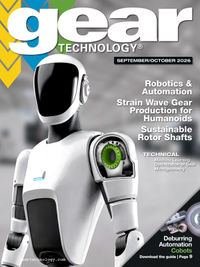
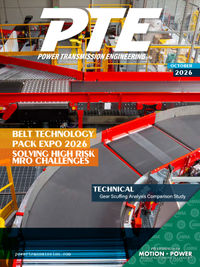
Information has reached an obscene level of interruption, so much so we no longer give long-form content the time and patience it truly deserves. Sadly enough, there are many individuals who prefer it this way.
The good news is that B2B trade publications do not suffer from this information overload because mobile technology is an ancillary product offering. Sure, you can access the latest gear, bearing and motor trends on your smartphone, but if you’d like to read an in-depth feature on ABB’s motor technologies (p. 20), it’s better to wait until you’re back at your office or looking at a physical copy of the magazine.
Less distraction, more interaction.
91 percent of our readers use desktop computers to access technical articles, case studies and feature content online. They like to read it without data scientists trying to steer them in ten different directions.
You can’t truly appreciate a technical article on the performance-driven design of multi-stage gear transmissions for e-drive systems (p. 32) on your smartphone. You could try reading how model-based design and digital twins transform diagnostic accuracy (p. 16) on your Apple Watch, but it’s not really feasible. Can you imagine downloading a story on Emerson’s automation technologies (p. 24) via your Eddie Bauer smart glasses and reading said article while walking down the street? No thank you.
The subject matter in PTE and GT tends to work better in print or on your desktop computer. This is where long form content truly shines.
Consider this recent quote from editors at National University, “Long-form content is making a comeback as audiences crave more depth in their online content. This opens the door to greater targeting possibilities as consumers seek more in-depth information on their path to conversion.”
Magazine articles, podcasts, social media, YouTube videos, you name it, they’re all looking at more immersive, higher quality content strategies in 2026–2027. The fast food, dopamine-induced Instagram and TikTok highlights only work so long before audiences suffer from brain rot. The alternative is an in-depth, editorially sound examination of the technologies and products you need to succeed in manufacturing.
Our editorial team leans towards a quid pro quo strategy where you tell us the obstacles you’re facing in mechanical power transmission, and we’ll spend the proper amount of time addressing these challenges.
As always, we’re here to help. Matthew Jaster can be reached at jaster@motionpower.org.