

Keep Asking Questions
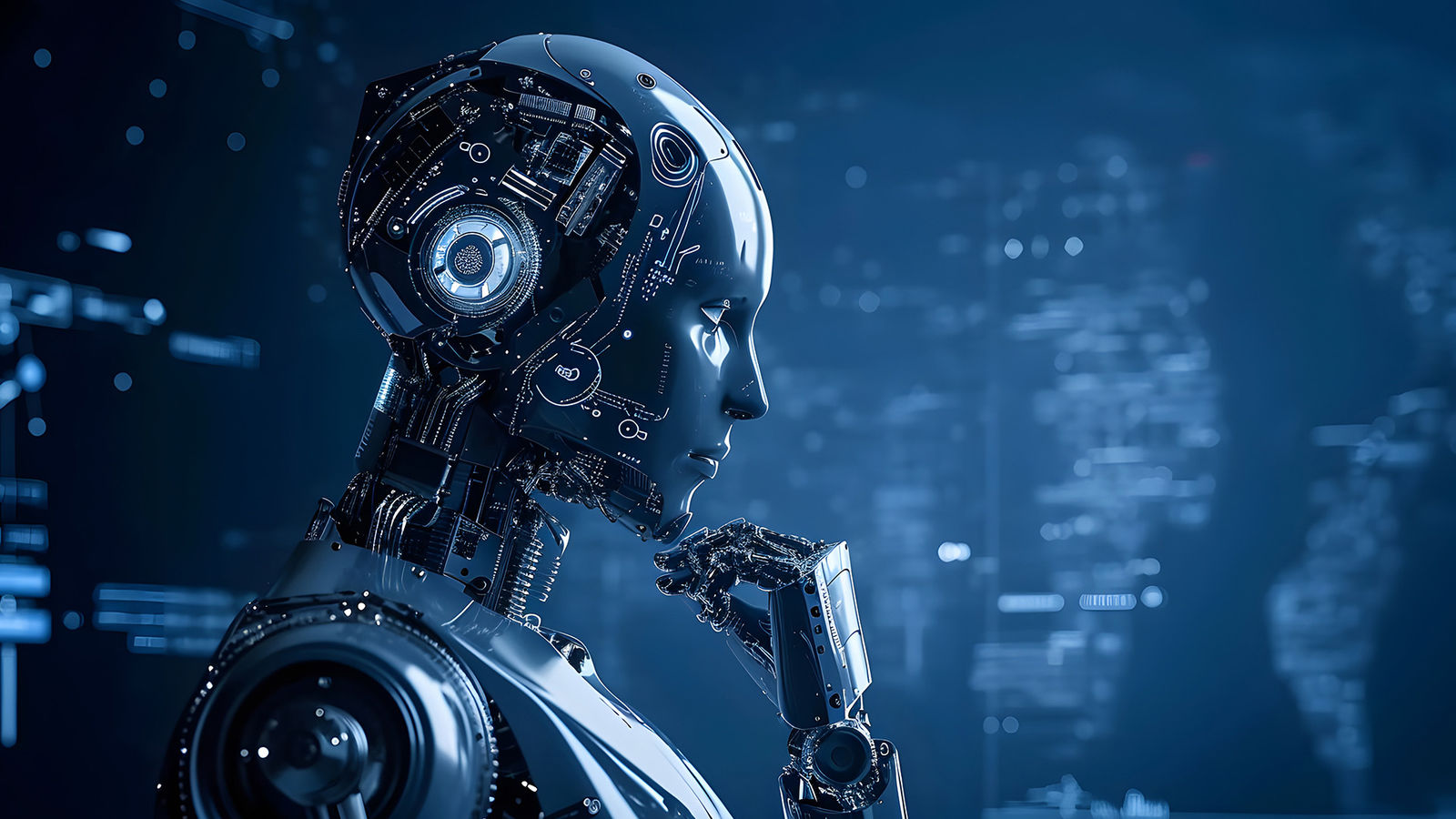
BMW recently launched a pilot program in Germany where AI-powered humanoid robots began working the assembly lines. Previously, the company ran a similar 10-month testing program in a U.S. plant in Spartanburg, SC. These steadfast and efficient machines worked for up to 10 hours a day handling rigorous tasks such as placing sheet metal components for welding.
BMW is enamored with the possibilities and reported that the humanoid factory workers contributed to the production of more than 30,000 automobiles. More importantly, they did not replace human workers as much as they reduced the strain of repetitive and challenging shop floor tasks.
I want to be excited about this. I want to live in a world where we eliminate hearing loss, back problems and exposure to harmful chemicals like my grandfather dealt with as an autoworker in Michigan.
I visited his plant once when I was seven years old. I only recall two things about the trip—the factory was enormous and I’ve never experienced so much noise in my life. My ears were ringing for weeks following my visit.
On paper, giving some of these repetitive and ergonomically challenging tasks to C3PO makes so much sense. We could eliminate carpal tunnel syndrome, cut down on work-related injuries and free up some valuable time to let the humans solve other problems on the shop floor.
But we need to continue asking questions—oh so many questions—on our way towards automation utopia. People are still powering these machines. We have human beings in charge of collecting data, safety compliance and evaluating the potential of humanoid robots in manufacturing. This work is complex and must continue at the highest level.